
Understanding Potential Third-Party Claims for Work Injuries
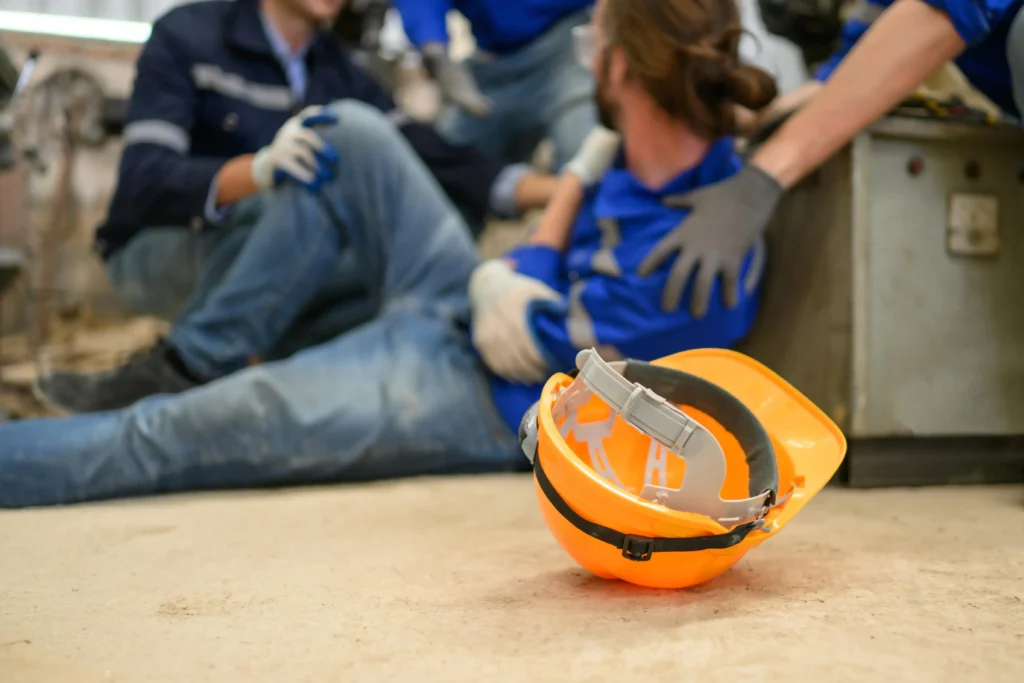 Have you or a loved one been hurt at work and are unsure about how to start a third-party claim for l compensation? At Atkinson Gerber, we know your difficulties and are here to provide you with support and guidance to explore all compensation options. Our team is dedicated to helping you find responsible parties beyond your employer, ensuring you get the financial recovery you deserve.
If you think you might have a third-party claim related to your work injury, don’t wait to contact us. Call Atkinson Gerber at 651-333-3636 today for a free consultation to discuss your situation with our experienced lawyers. We’re here to give you advice and help you take the next steps to secure the compensation you need for your long-term recovery.
Steps to Take After a Workplace Injury
Taking immediate action after a workplace injury can greatly affect your claim’s success. First, document the injury and worksite by taking photos right after the incident. Visual evidence can be strong in showing how the injury occurred.
Quickly see a doctor. This ensures your injuries are treated and provides important medical records to support your claim. Collecting witness statements can also strengthen your case with additional evidence. Keep and copy all documents related to the injury, including medical records and evidence of damages.
Defining Third-Party Liability in Work Injuries
Third-party liability in workplace injuries refers to the legal responsibility of people or companies other than the employer for causing workplace injuries. This is important because workers’ compensation claims are limited to employer-related incidents, while third-party liability claims allow for more compensation possibilities. Unlike the no-fault workers’ compensation system, third-party claims require proving that another party’s negligence directly caused the injury.
Examples of third parties who may be responsible include general contractors, car accidents while at work, car accidents on the way to medical treatment for an earlier work injury, subcontractors, property owners, and equipment manufacturers. For instance, if a construction worker is injured due to faulty scaffolding, the manufacturer of that scaffolding could be held liable.
Injured workers must prove the third party’s negligence to succeed in a third-party liability claim. They need to show that the third party owed a duty of care, breached that duty, and directly caused the injury.
Common Scenarios Leading to Third-Party Claims
 Workplace injuries often happen in complex environments where multiple parties share responsibility. Defective equipment, negligent subcontractors, and unsafe property conditions are common scenarios that might lead to third-party claims. On construction sites, the interaction between general contractors, subcontractors, and equipment manufacturers can complicate fault determination.
One common scenario involves accidents caused by malfunctioning machinery or faulty safety gear. In such cases, the equipment manufacturers or distributors could be held liable. Transportation-related incidents where another driver might be responsible for work-related injuries are another common example. Negligent maintenance and repair companies can also be held responsible for workplace injuries.
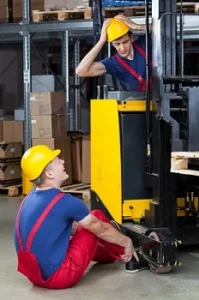
Specific cases, such as an elevator repair contractor’s negligence resulting in an accident or a warehouse incident involving forklifts, highlight the diverse range of potential third-party claims. These scenarios highlight the need to identify all responsible parties for full compensation.
Who Can Be Held Liable in a Third-Party Claim?
Various entities beyond the injured worker’s employer may be responsible for the injuries sustained. Here are some common third-party entities that could be held liable:
- Contractors and Subcontractors: On construction sites, multiple contractors and subcontractors often work alongside each other. If a subcontractor fails to follow safety protocols, resulting in an accident, they can be held liable. For example, if a subcontractor neglects to secure scaffolding properly, causing it to collapse, they may be responsible for any injuries sustained by workers.
- Equipment Manufacturers: Faulty or defective equipment can lead to severe workplace injuries. Manufacturers of such equipment can be held liable if their products malfunction due to design flaws or inadequate safety features. For instance, if a piece of machinery malfunctions and injures a worker due to a manufacturing defect, the equipment manufacturer may be liable for the injuries.
- Property Owners: When workplace injuries occur due to unsafe premises, property owners might be held accountable. If a property owner fails to maintain a safe environment, such as neglecting to repair hazardous walkways, and this negligence leads to an injury, they can be liable for the damages.
- Maintenance and Repair Companies: Companies responsible for maintaining and repairing equipment or premises can also be liable if their negligence contributes to an injury. For example, if an elevator repair company fails to fix a malfunctioning elevator, leading to an accident, they could be held responsible.
- Negligent drivers: Identifying the responsible parties in a third-party claim involves a thorough investigation of the circumstances surrounding the injury.
Types of Injuries Resulting in Claims
Severe injuries and specific circumstances often lead to long-term third-party claims for an injured employee.
Atkinson Gerber handles a variety of cases involving severe injuries like knee injuries, back injuries, head injuries, and even psychological conditions such as depression. These injuries often stem from liability factors such as unsafe equipment, hazardous premises, and negligent practices. Equipment malfunctions causing severe injuries can make manufacturers or distributors liable for inadequate safety measures.
Injuries resulting from unsafe premises or hazardous conditions can also lead to long-term claims. Unsafe premises can make property owners liable for accidents.
Benefits of Pursuing a Third-Party Liability Claim
Pursuing a third-party liability claim can offer significant financial recovery advantages for injured workers. Workers’ compensation benefits often fall short of covering all damages an injured worker might face. Third-party claims can offer additional compensation, including future medical treatment, lost wages, and lost earning capacity. Such financial support is essential for long-term recovery and stability.
Third-party claims also allow for the recovery of non-economic damages like pain and suffering, emotional distress, and loss of quality of life. These damages are typically unavailable through workers’ compensation, making third-party lawsuits a valuable option.
Third-party lawsuits often provide greater financial recovery as they are not capped by state law. Injured workers can secure a more substantial settlement, ensuring all aspects of their injury are addressed.
How Is Compensation Calculated in a Third-Party Liability Claim?
 In a third-party liability claim, compensation is calculated by considering several important factors that reflect the full extent of the injured worker’s losses. Unlike workers’ compensation benefits, third-party claims can provide a more complete financial recovery. Here’s a closer look at what influences compensation amounts:
- Lost Wages and Lost Earning Capacity: Compensation in a third-party liability claim often includes not only the wages lost during the recovery period but also considers future lost earning capacity. This is particularly important if the injury results in long-term or permanent disabilities that affect the ability to work.
- Medical Expenses: All medical bills related to the injury, including immediate medical bills, ongoing treatment, rehabilitation, and future medical care, are factored into the compensation. Unlike workers’ compensation, which may have caps, third-party claims can cover the full extent of medical expenses incurred due to the injury.
- Pain and Suffering: Third-party claims allow for the recovery of non-economic damages, such as pain and suffering, emotional distress, and loss of quality of life. These damages are not available through workers’ compensation, making third-party claims a crucial avenue for seeking additional compensation for the physical pain and emotional suffering endured.
- Property Damage: If the workplace accident also resulted in damage to personal property, such as a vehicle, the cost of repairs or replacement can be included in the compensation calculation.
- Punitive Damages: In cases where the third party’s negligence was particularly bad, punitive damages might be awarded to punish the wrongdoer and deter similar conduct in the future. This is an aspect not covered by workers’ compensation benefits.
Overall, the compensation from a third-party liability claim aims to provide a more complete financial recovery by addressing both economic and non-economic damages. This broader scope of compensation ensures that injured workers receive the financial support they need to manage the long-term impacts of their injuries.
Challenges in Establishing Third-Party Negligence
Proving another party’s negligence is a major challenge when pursuing a third-party liability claim. Unlike workers’ compensation claims, third-party claims require solid evidence of the other party’s fault or wrong actions. This means you must show that the other party had a duty to care and failed in that duty.
Strong evidence is essential in these cases. Accident reports, witness statements, and other documents are key to proving third-party negligence. This process is often more detailed and takes longer compared to workers’ compensation claims. Workers should be ready for an in-depth legal process to prove fault and get compensation. Despite these challenges, the potential benefits make pursuing a third-party liability claim worthwhile.
Legal Process for Third-Party Claims
The legal process for third-party claims involves several important steps. Consult a lawyer soon after an injury to avoid losing your right to seek compensation and to gather valuable evidence. Legal help is important for dealing with both workers’ compensation and third-party claims.
These steps typically include collecting evidence, filing the workers’ comp claim, and negotiating with the responsible parties or their insurers. Deadlines for filing third-party lawsuits can differ significantly from those for workers’ compensation claims. Filing all paperwork correctly and on time is necessary for your claim’s success.
Can You File a Third-Party Claim While Receiving Workers’ Compensation?
Yes, you can file a third-party claim while receiving workers’ compensation benefits. Pursuing both claims at the same time can be beneficial for injured workers seeking full compensation. Workers’ compensation benefits provide immediate financial relief, covering medical expenses and a portion of lost wages without the need to prove fault. However, these benefits may not fully address all the damages an injured worker incurs.
Filing a third-party liability claim allows you to seek additional compensation from parties other than your employer, such as subcontractors, equipment manufacturers, or property owners whose negligence contributed to your workplace injury. This type of claim can cover non-economic damages like pain and suffering, emotional distress, and loss of quality of life, which are not available through workers’ compensation.
While pursuing both claims, it’s important to be aware of potential conflicts. For instance, if you receive a settlement from a third-party claim, your workers’ compensation insurer may have a right to reimbursement for the benefits they provided, a process known as subrogation. This means part of your third-party settlement may need to be allocated to repay the workers’ compensation benefits you received.
Handling the steps of filing both claims requires careful planning and legal assistance. It’s important to work with an experienced workers’ comp attorney who can help coordinate these claims, ensuring you maximize your financial recovery while following all legal requirements.
How Atkinson Gerber Can Assist with Your Third-Party Claim
 At Atkinson Gerber Law Office, we understand the significant impact that workplace injuries can have on your life. Third-party claims with underlying workers’ compensation claims can be complex. The benefits need to be properly coordinated and timed. We are dedicated to working with your time including third-party claims to secure the compensation you deserve. Our extensive experience in navigating and handling workers’ compensation claims in the context of an additional third-party liability claim positions us as a leading advocate for injured workers seeking complete compensation.
As a team, our workers’ compensation lawyers work with experienced and all-star personal attorneys who excel at working together. Whether it’s a negligent subcontractor, driver, property owner, or equipment manufacturer, we work together to investigate every aspect of your case to build a strong foundation for your claim to ensure you receive the maximum fair compensation for your injuries.
With a proactive and personalized approach, we are prepared to take your case to court if necessary, fighting hard for the full and fair benefits you deserve. Our commitment to our clients extends beyond legal representation; we provide compassionate support and clear guidance throughout the process, ensuring you are informed and empowered every step of the way. We understand that dealing with a workplace injury can be overwhelming, and we strive to reduce your stress by handling all legal matters on your behalf.
Contact Us to Explore Your Legal Options for Third-Party Work Injury Claims
If you’ve been injured at work and believe a third party may be responsible for your injuries, understanding your legal options is critical. Navigating the complexities of workers’ compensation and potential third-party claims requires an experienced advocate who can fight for the full compensation you deserve.
At Atkinson Gerber, we are dedicated to helping Minnesota workers protect their rights and pursue every available avenue for recovery. Contact us today to schedule a free consultation and learn how we can help you secure the financial support you need to move forward.
Call us now at 651-333-3636 to take the first step toward justice and peace of mind.
Additional Resources
How Can Independent Contractors in Minnesota Protect Themselves From Workplace Injuries?
What to Expect During a Workers’ Compensation Mediation in Minnesota
Do Independent Contractors Have Rights Under Minnesota Workers’ Comp Laws?
What Types of Injuries Qualify for Workers’ Compensation Benefits in Minnesota?
Our Location

Awards & Accolades





Defending the Rights of
Injured Workers.


© 2026 Atkinson Gerber Law Office. All Rights Reserved.
