
Minnesota Workers’ Compensation for Orthopedic Injuries
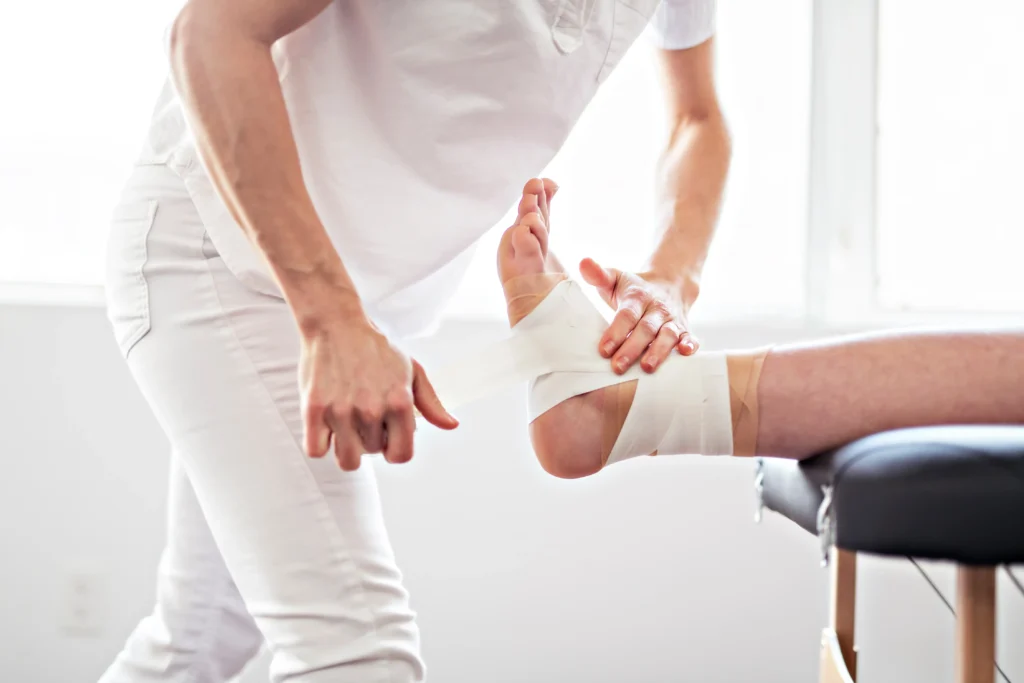 Caused by accidents and repetitive strain, orthopedic injuries make up some of the most common workers’ compensation claims. At Atkinson Gerber, we understand the impact orthopedic injuries can have on your health, career, and financial stability. That’s why our experienced team of workers’ compensation attorneys is dedicated to helping Minnesota workers secure the benefits they deserve for injuries sustained at work.
If you or a loved one has suffered an orthopedic injury, it’s not only important to understand your rights but also how to navigate the workers’ compensation process.
Call us today at 651-333-3636 for a free consultation, and let us help you protect your future.
What Are Orthopedic Injuries?
Every job has the potential for an accident. There are many different kinds of orthopedic injuries that can happen in the workplace. Orthopedic injuries involve damage to the musculoskeletal system and are often caused by repetitive motion, overexertion, slips and falls, or traumatic accidents. These injuries can be acute (sudden) or chronic (developing over time due to strain or overuse).
What Qualifies as an Orthopedic Injury for Workers’ Compensation Claims?
An orthopedic injury is what doctors call a condition that involves damage to the bones, joints, muscles, tendons, ligaments, and nerves, affecting movement and function. For an injury to qualify for workers’ compensation in Minnesota, it must be caused by either a workplace accident or repetitive stress.
To be eligible for compensation, you must have an injury that is directly connected to your job duties and prove it, and you must file a claim containing the right documentation within a specific timeframe.
How Can I Tell if My Orthopedic Injury Is Work-Related?
Figuring out if your orthopedic injury is work-related can be difficult, but it’s crucial if you’re filing a workers’ compensation claim. If the injury developed because of work activities or duties, it’s likely work-related. This can include accidents or sudden injuries caused by falls, lifting heavy objects, or a vehicle collision.
Additionally, orthopedic injuries can result from repetitive stress caused by performing the same tasks every day, like typing, lifting, or bending. To determine if the injury is work-related, a doctor can assess the cause and offer a diagnosis.
Common Work-Related Orthopedic Injuries Include:
H ere are some of the different kinds of orthopedic injuries that afflict millions of Americans every year:
Overexertion Injuries
Every job has the potential for overexertion. You should never push yourself too far. The consequences on your physical health could be serious. Knowing your limits is important. Overexertion occurs when you work yourself past your physical limitations, resulting in sudden injuries or even chronic conditions. Different types of overexertion injuries include:
- Back Injuries: Lifting improperly can result in serious injuries to the back and spine, particularly to the spinal cord. These injuries can manifest in slipped discs, severe sprains, chronic pain, and persistent mobility issues.
- Joint Injuries: Overexertion can put severe strains on the joints, ligaments, and nerves. All it takes is one wrong movement to cause irreparable damage to your joints that you may end up dealing with for the rest of your life.
- Shoulder Injuries: Persistent physical actions can cause serious damage to your shoulders. This damage can manifest in rotator cuff injuries, dislocations, muscle strains, and more. Shoulder injuries are largely the result of overhead lifting without preparation. Be careful when engaging in heavy lifting.
Fall Injuries
It does not take much for a bad fall to cause severe damage to your body. Every workplace in the country invites the possibility of a fall. It is always wise to be aware of your surroundings and do what you can to avoid suffering a bad fall. Some of the more serious orthopedic injuries you could suffer from a serious fall include:
- Spinal Cord Injuries: A spinal cord injury is one of the most life-changing and severe injuries you can suffer. They are not uncommon after a fall, especially if you land in a way that damages your spine. A complete spinal cord injury can result in permanent paralysis and ongoing medical care for the rest of your life.
- Broken Bones and Fractures: The injuries you will receive in a fall are entirely dependent on how you land. If you land hard, you could easily break or fracture a bone.
- Strains/Sprains: One of the most common injuries after a fall is a serious strain or sprain as a result of trying to catch yourself. Landing hard on your wrists can result in severe sprains or even a fracture.
Repetitive Stress Injuries
Repetitive stress injuries are often the result of constant small motions you may not even realize are hurting you. Simple actions such as typing on a computer, using tools on a daily basis, or consistently lifting objects of a similar size can all result in serious repetitive stress injuries, such as:
- Carpal Tunnel Syndrome: Carpal Tunnel Syndrome is often the result of constant pressure on the wrist. It can cause numbness, tingling, and bouts of pain around the thumb, index, and middle fingers. It can affect your productivity, and you may need surgery to correct an extreme case.
- Bursitis: Bursitis occurs when the fluid-filled sacs between your bones and soft tissue, which are called bursae, become inflamed as a result of prolonged pressure and repetitive motion. This can cause joint pain, inflammation, and stiffness in the affected location.
How Do Orthopedic Injuries Impact Your Ability to Work?
Orthopedic injuries often require medical imaging, physical therapy, medication, and sometimes surgery. Depending on the severity, they can prevent you from performing your regular
job duties or returning to work altogether.
You may need job retraining, light-duty accommodations, or even permanent
disability benefits.
How Do I File a Workers’ Compensation Claim for an Orthopedic Injury?
Filing a workers’ compensation claim for an orthopedic injury in Minnesota requires several key steps. First, the injury should be reported to your employer as soon as possible. This is important to make sure your claim is processed correctly.
After notifying your employer, get medical attention from an approved doctor who can assess your injury. The doctor’s evaluation will be important when establishing the severity of the injury and whether it’s work-related or not.
Next, your employer should give you a form called the First Report of Injury (FROI). This form documents the incident and must be submitted to their workers’ compensation insurance provider. Once the claim is filed, the insurance company will evaluate it and determine if it’s accepted or denied.
What Benefits Can I Receive for an Orthopedic Injury Under Workers’ Compensation?
If your workers’ compensation claim for an orthopedic injury is approved, you could be entitled to several benefits in Minnesota, including:
- Medical benefits
- Temporary disability benefits
- Permanent disability benefits
- Vocational rehabilitation
- Death benefits
Each of these benefits is designed to offer you the financial support you need on your road to recovery while you heal from your orthopedic injury.
Call Us Today for a Free Consultation
If you’ve suffered an orthopedic injury while on the job, workers’ compensation benefits are essential for your recovery and financial well-being. With over 50 years of combined experience, Atkinson Gerber is committed to guiding you through every step of the workers’ compensation claims process, from filing your claim to receiving your benefits.
Don’t let the bureaucratic system stand in your way. Contact us at 651-333-3636 for experienced legal assistance. We’re here to help you recover and get back on your feet.
Our Location

Awards & Accolades







Defending the Rights of
Injured Workers.


© 2026 Atkinson Gerber Law Office. All Rights Reserved.
