
Sep 26, 2018

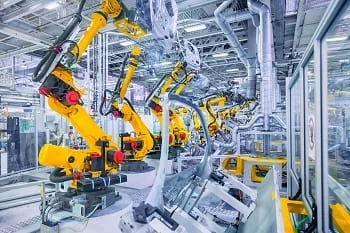 Have you wondered why your employer takes on more and more robots instead of humans at your workplace in Minnesota? It could be because they do not get sick or injured — regardless of how many hours they repeat the same motion — and they do not need vacations. However, robots might threaten your safety. For that reason, it is crucial that you learn all about the hazards robots pose and how to share your workplace with them safely.
When it comes to workplace automation, there are two factors to consider — mechanical and human. Robots must have adequate safeguarding and faultless programming to address the mechanical element, and your employer must inform you and your human co-workers of the hazards and teach you how to work alongside robots safely.
Typical hazards
According to the Occupational Safety and Health Administration, most robot-related accidents happen during maintenance, programming and testing. Typical risks include the following:
Essential precautions
It is crucial for employers to remember that they can program robots but not human workers. Even with extensive safety and operation training, humans are fallible and might forget or ignore safety precautions such as lockout/tagout procedures during maintenance. However, safety authorities say, when automation runs smoothly, human workers may come to rely on robots to a point at which complacency sets in and preventable errors occur.
Did your robotic co-worker injure you?
Although robot-related injuries can be catastrophic, they are preventable. If you are the victim of such an accident, you might find comfort in knowing that the Minnesota workers’ compensation will likely cover your medical expenses and lost wages. However, the claims process could prove to be challenging, especially if you are left with a disability. This is where the skills of an experienced workers’ compensation attorney can be an invaluable asset in your corner.








© 2026 Atkinson Gerber Law Office. All Rights Reserved.
