
Aug 24, 2018

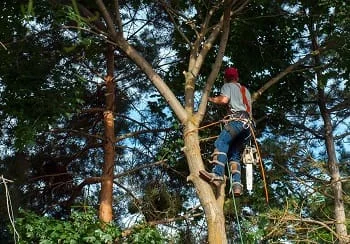 Tree care workers and landscapers make up just a small percentage of the national workforce but a significant percentage of workplace fatalities. If you are a part of this industry in Minnesota, you will likely know that you risk your life every day and that you must take certain precautions to stay safe. Safety authorities say that most of the fatalities in this industry occur during tree trimming and tree removal.
Employers in this industry are responsible for the safety of employees, and the best way to do this is to establish and implement a comprehensive safety program that includes safe procedures and written rules. However, you might have to take your own precautions, such as inspecting trees before you climb or cut them to identify structural weaknesses and dead limbs. Using safe procedures can prevent the accidental cutting of lanyards, climbing ropes, straps or safety belts.
Electrocution hazards
Branches and limbs of trees, uninsulated aerial lifts and other objects touching overhead power lines can cause electrocution. Staying alert and treating all electrical cables as live and energized is crucial. The following precautions are essential:
Aerial lift hazards
Falls, tipovers, collapsing equipment and electrocutions can cause fatal injuries to tree workers. You should treat these machines with the necessary care and follow these rules:
Wood chipper hazards
Wood chippers have claimed many limbs and lives, and you should always ensure that the safeguards are in place and that emergency shutoff devices and controls are in proper working order. The following precautions can help prevent the chipper from pulling you in:
Roadside tree work poses another set of hazards to workers and passersby, and you must establish safe drop zones and have a safety plan in place for traffic control in the area.
Tree work presents many more risks, many of which might be unanticipated. If you suffer a work-related injury, you might be unsure of how to cope with the mounting medical bills and wage losses and where to look for help. Your best bet might be to consult with an experienced Minnesota workers’ compensation attorney who can assist with the navigation of benefits claims.









© 2026 Atkinson Gerber Law Office. All Rights Reserved.
